How Casino Jackpots Work: Progressive vs Fixed Prizes
Casino jackpots can look similar on a game screen, yet the prize mechanics behind them differ sharply. The Queenspins Casino review notes that the platform carries over 1,000 games, a number that includes titles with fixed top prizes, progressive pools and several jackpot tiers. The headline number matters, but it tells only part of the story. A fixed jackpot stays at a stated value under the game rules. A progressive grows as eligible play feeds a shared prize pool, then resets after a win. Entry conditions, stake requirements and trigger methods vary between titles. Small print, big consequences.
A Jackpot Is a Top Prize With Its Own Trigger
A jackpot sits above ordinary line wins, feature payouts or table-game returns. It may be awarded through a specific symbol combination, a bonus wheel, a random event or a separate qualifying feature. The exact trigger appears in the game rules.
Some jackpots depend on the result shown on the reels. Others use a random system that awards the prize after an eligible paid spin. A visible counter may rise during play, but the counter alone does not explain eligibility. The paytable carries that job.
The jackpot amount can be paid as one casino balance credit, a verified withdrawal amount or another format stated in the terms. Currency matters too. A figure displayed in Australian dollars is easier to read than a converted amount that shifts with exchange rates.
The Trigger and the Prize Amount Are Separate Details
A large advertised prize never means every spin can win it. The game may require a minimum stake, a particular bet configuration or entry through a jackpot feature. Some titles make every paid spin eligible, while others connect eligibility to selected lines or coin values.
Two items to check before playing: how the jackpot is triggered and which stakes qualify. That quick check prevents a common misunderstanding, where a player sees the meter but misses the entry condition. Painful stuff.
Fixed Jackpots Keep the Same Stated Value
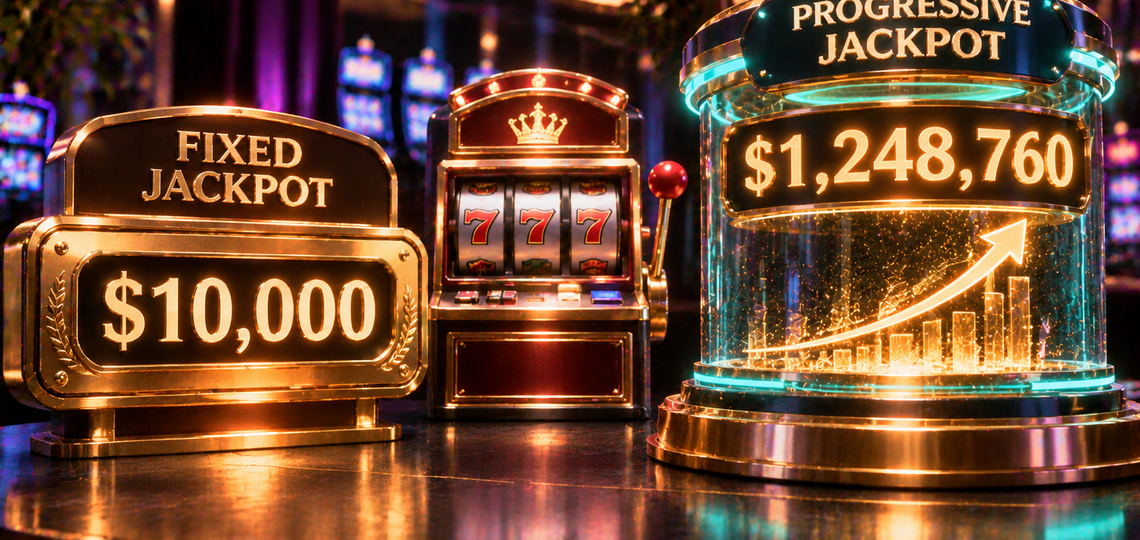
A fixed jackpot has a set prize amount under the current game rules. It stays unchanged between qualifying wins. If the top prize is $10,000, the game continues to show $10,000 until the operator or provider changes the approved configuration.
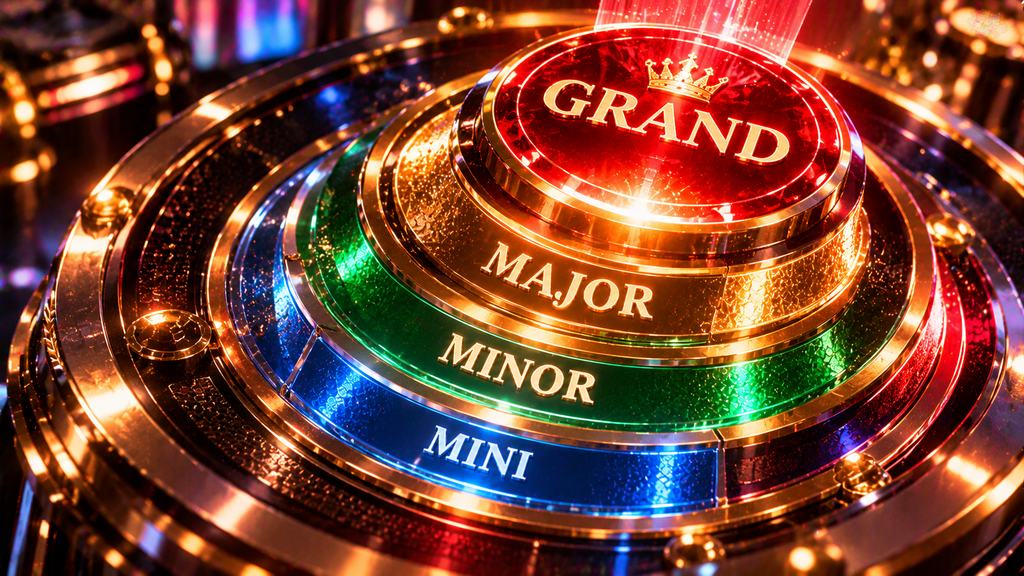
Fixed prizes appear in slot paytables, card-game side bets and instant-win features. The amount may be tied to a maximum coin setting or a specific symbol pattern. Some games use several fixed tiers, such as Mini, Minor, Major and Grand, each carrying a stated value.
The main advantage is clarity. A player can see the available prize without tracking a moving pool. The amount is known before the qualifying event occurs. Less theatre. Fewer moving parts.
How fixed and progressive jackpots compare across the main details:
| Feature | Fixed jackpot | Progressive jackpot |
| Prize value | Stays at a stated amount | Rises from a reset value |
| Funding | Included in the game’s payout structure | Receives contributions from eligible play |
| Display | Static figure or paytable amount | Live or regularly updated counter |
| After a win | Usually remains at the stated value | Returns to a reset amount |
| Network | Commonly tied to one game configuration | May be local, casino-wide or shared |
| Player check | Trigger and qualifying stake | Trigger, qualifying stake and current pool |
Progressive Jackpots Grow From a Reset Value
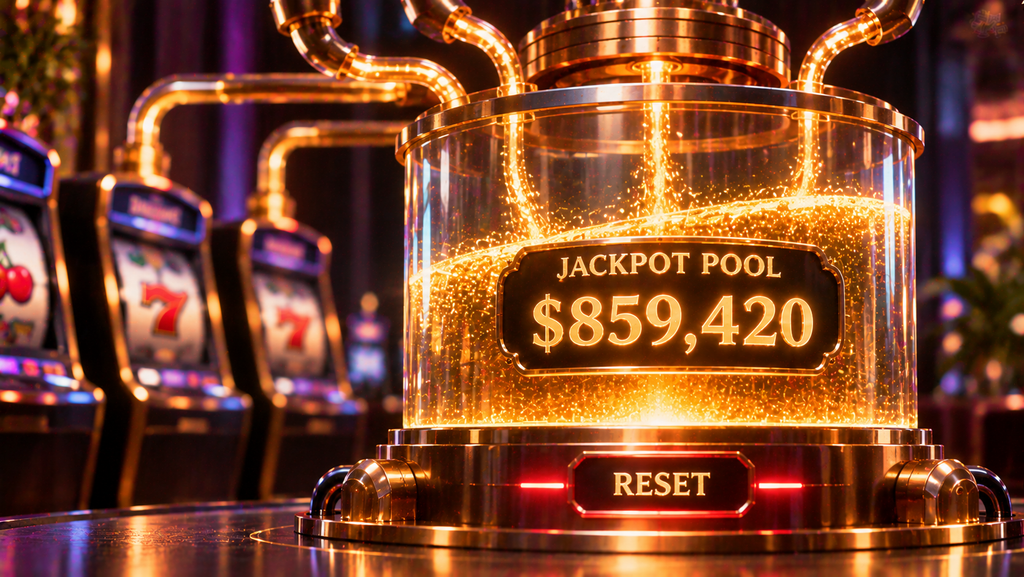
A progressive jackpot begins at a reset amount, sometimes called a seed value. A small portion of eligible wagers contributes to the pool. The displayed total rises until a qualifying win occurs.
After the jackpot is paid, the meter returns to its reset value and starts climbing again. The reset prevents the prize from falling to zero. It also gives the next cycle a meaningful starting point, which is kinder than asking a jackpot counter to begin with pocket change.
The contribution rate is part of the game mathematics. It never means the full stake goes into the jackpot. Most of the wager remains connected to the base game’s return structure, while a smaller fraction supports the progressive pool.
A Larger Meter Leaves Ordinary Outcomes Unchanged
The growing prize can increase the value of the jackpot component, but it does not improve ordinary reel wins or feature frequency. The base game still follows its stated rules.
Players sometimes treat a high meter as evidence that a win is due. The counter shows accumulated prize value, never a countdown. A progressive can fall on the next eligible spin or continue rising through many more rounds. The machine keeps no diary of disappointment.
Progressive Networks Can Have Different Sizes
Progressive jackpots are commonly grouped by the set of games feeding the prize. A local pool may connect titles within one casino system. A broader pool may connect several games across a larger network, subject to the provider and operator arrangement.
Network size can affect how quickly the prize rises. More eligible play sends more contributions into the pool. It also means more eligible players are competing for the same jackpot. Bigger counter. Bigger crowd.
Three common structures appear in casino game menus:
- Standalone progressive: one game instance or title funds its own prize.
- Local progressive: several eligible games within one casino feed a shared pool.
- Network progressive: eligible games across a broader linked system contribute to one prize.
The game information screen may identify the network or list participating titles. If the details are vague, support can clarify how the displayed pool is connected.
Jackpot Tiers Divide Prizes by Size and Frequency
Many games use several named tiers. Mini and Minor prizes are usually smaller, while Major and Grand tiers carry larger amounts. The names are familiar, though values and trigger rules differ between games.
A lower tier may be fixed while the top tier is progressive. Another title may make every tier progressive. Some bonus features display several coloured prize panels, each linked to a different trigger or wheel result.
Do not assume identical tier names mean identical mechanics. A Major prize in one game may be a fixed amount reached through bonus symbols. In another, it may be a growing pool awarded randomly during eligible play. Same label. Different machinery.
Prize Frequency Usually Changes Across Tiers
Smaller tiers tend to be awarded more often than top prizes, though the paytable remains the proper source for each title. A game can present frequent minor awards while the headline jackpot stays rare.
That pattern gives the feature several moments of interest without handing out the largest pool every afternoon. Casinos enjoy suspense. Account ledgers prefer arithmetic.
Eligibility Rules Deserve a Careful Read
Jackpot entry can depend on paid spins, stake size, active paylines, coin value or feature selection. Bonus spins may qualify in one title and sit outside the jackpot mechanic in another. Rules settle it.
A player checking a jackpot game can use this short routine:
- Open the paytable before the first wager.
- Find the jackpot or prize section.
- Confirm the minimum qualifying stake.
- Check if every paid spin is eligible.
- Read how each tier is triggered.
- Confirm the currency and current displayed amount.
- Review any verification or claim procedure.
The routine takes a minute. It can save a long conversation with support later, which is rarely anyone’s preferred bonus round.
Random Jackpots and Symbol Jackpots Behave Differently
A symbol-based jackpot requires a defined result: special symbols landing on selected reels or a bonus feature reaching the jackpot panel. The visual event and the award appear connected.
A random jackpot is awarded through a separate system after an eligible wager. The reels may produce an ordinary result, followed by a jackpot notification or feature. The game rules explain the eligible window and any stake conditions.
Neither method allows a player to predict the next award. Reel patterns, recent winners and the current time provide no reliable forecast. The trigger follows the game’s approved process, independent of the room’s mood.
The Better Jackpot Choice Depends on the Preferred Structure
Fixed jackpots suit players who like a known top prize and a paytable that stays easy to scan. Progressive jackpots add a moving pool and the possibility of a much larger headline award. Neither guarantees a better session.
The useful comparison comes down to four points: qualifying stake, trigger, current or fixed prize value, and the broader game rules. A player who checks those details can tell what is being offered before placing a wager.
Jackpots are designed to look dramatic. Their mechanics are calmer. Fixed prizes stay put. Progressive pools grow, fall after a win and start again from a reset value. Once that distinction is clear, the counter becomes information instead of decoration.